
The Writer’s Creative Crisis
L'Amour et les ForêtsThis flow follows Éric Reinhardt’s anxiety about writing after a successful novel and the self-doubt surrounding his next book.
increasing Bearing strength in each event
 decreasing
Bearing strength in each eventdecreasingAfter the Novel

After the Novel
Success as Pressure
At his first meeting with Bénédicte, Reinhardt admits that the success of his previous novel has left him afraid to begin again. He imagines that he has exhausted his creative reserves and confesses that he sometimes cries alone in his office.
His speech dramatizes his fear in extravagant images, but beneath the performance lies a serious uncertainty about whether his best work is behind him.
The Fléchette Project
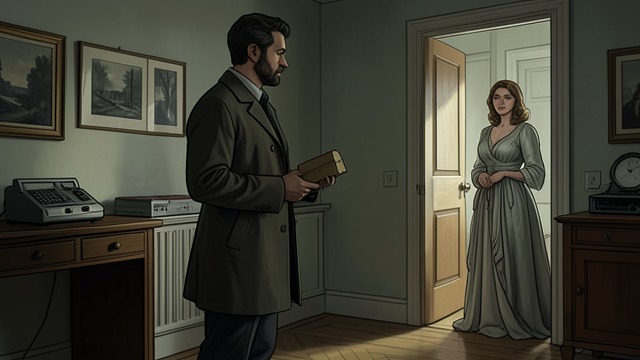
The Fléchette Project
A New Direction
Reinhardt describes a planned short, direct novel about a reclusive man and an exhibitionist couple. Bénédicte recognizes a connection to a character from his earlier fiction and encourages him to work without pressure.
Her faith in his capacity to write offers a counterweight to his own catastrophe-minded account. He tells her that speaking honestly has helped him, deepening their trust.
A Book Like a Tomb

A Book Like a Tomb
Doubt Returns
When Reinhardt writes to Bénédicte about his new novel, he describes it as a prolonged attempt to recover a magical sentence. He fears that technique has replaced the living grace he once felt in writing.
He calls the completed book a tomb for the writer he used to be, while still believing that finishing it may allow a new beginning. The letter reaches no living recipient, intensifying the separation between artistic confession and human response.
March 2008
After the first meeting and before autumn 2008
April 2011
